 Image 1 of 5
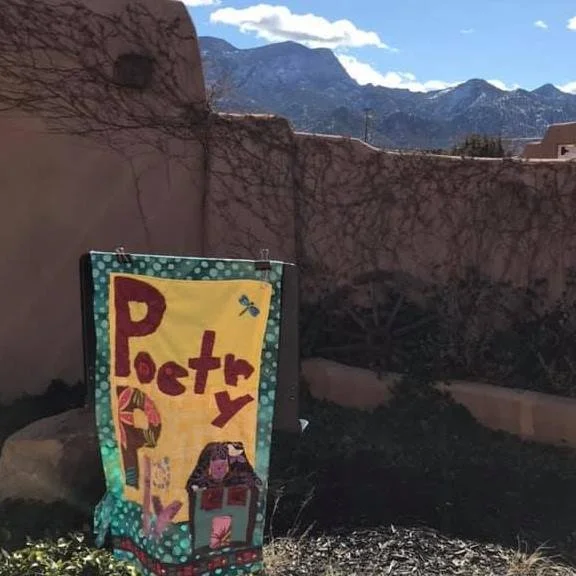 Image 2 of 5
 Image 3 of 5
 Image 4 of 5
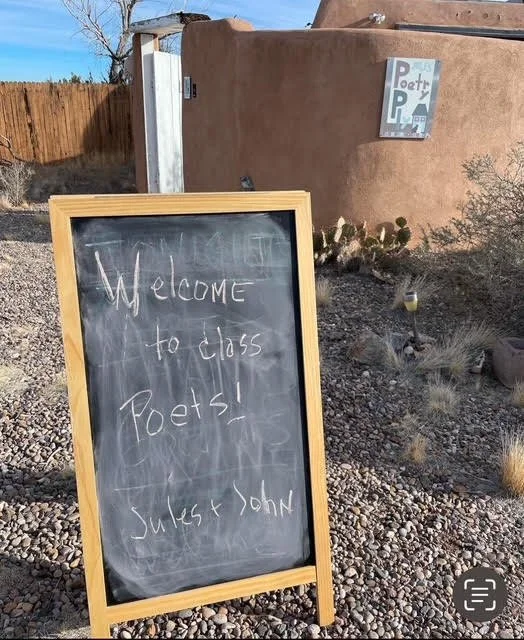 Image 5 of 5
Saturday, January 23, 2027
10 am - 4 pm
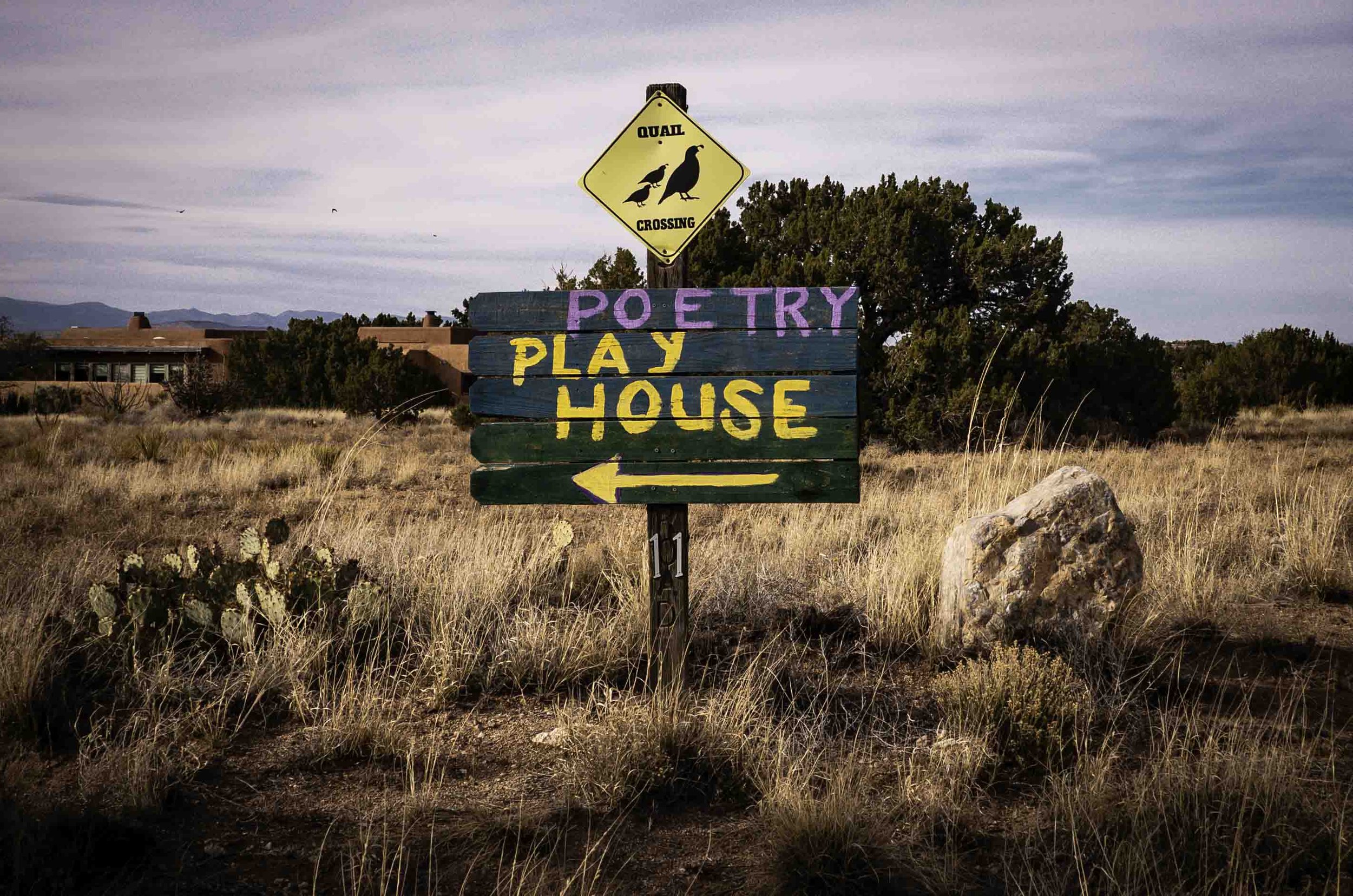
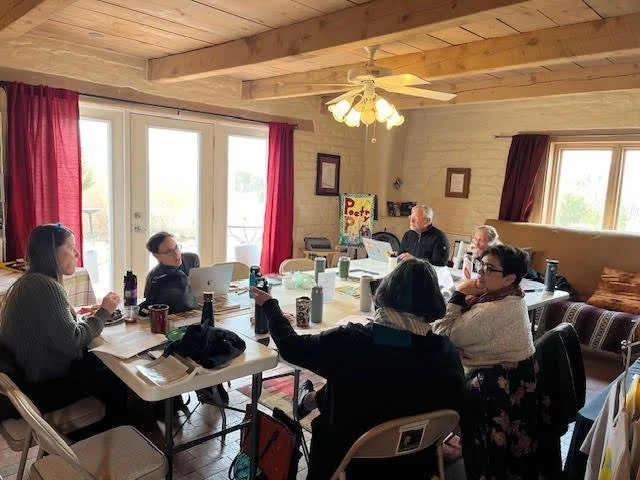
In person at Jules’ Poetry Playhouse in Placitas. Includes on-site lunch break.
Few poetic forms as old as the 7th century have made their way into English, much less 21st century English, yet the ghazal has been embraced since the 1960s into American poetry—and shows no sign of letting up. It’s a fascinating form, full of surprises in its nonlinear approach, even if deceivingly “arbitrary” at first glance. In this class, we will explore the structure and unique qualities of this Middle Eastern poetic form that revels in imaginative leaps; in impulse over rationality; in rhythm, rhyme, and repetition that create expectations while providing astonishing insights and juxtapositions. A line that’s totally political might be followed by one that’s sexual; one that’s spiritual by one that’s ominous as death; one that’s mythological by one that’s laugh-out-loud humorous. Yes, the form takes many turns through its couplets. The ghazal is challenging, but the demands push the poet in new ways of thinking and writing.
After looking briefly at a couple of modern ghazals, we will jump in and write a group ghazal to immerse you in the approach to the form, step by step. In my opinion, writing is the best way to learn both the structure as well as the terms and parts of the ghazal. It also provides a way of seeing how to revise a ghazal (which I call “play”), which we will then do.
Finally, we will look at a few outstanding variations that English-language poets have taken (like Natasha Trethewey, Tracy K. Smith, and Robert Bly), options for you to employ once you know the traditional ghazal. As Patricia Smith says, “Learn it to burn it.”
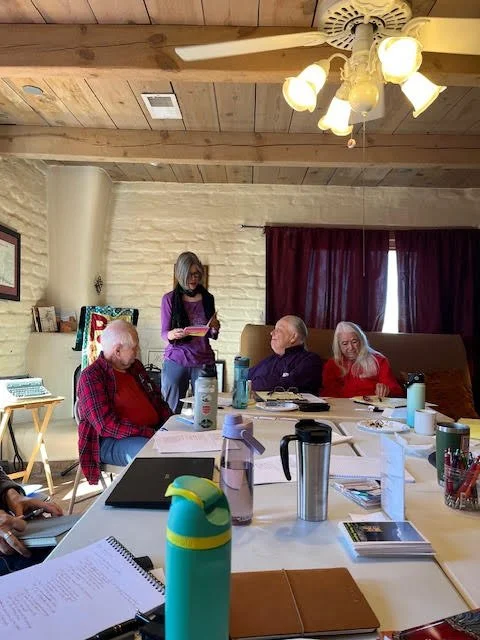
This class is for all levels of writers. Come write in a supportive environment with fellow poets.
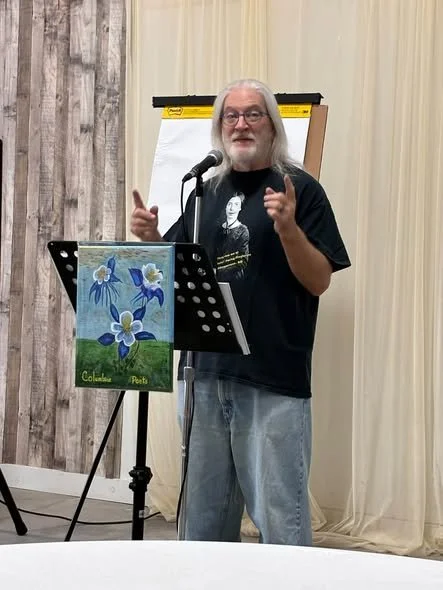
It’s our pleasure to welcome Albuquerque poet and artist Scott Wiggerman as class instructor. Scott is the author of four books of poetry, including his newest, Beginning and Ending with Emily: Ghazals and Golden Shovels, (Casa Urraca Press), a collection inspired by lines and themes of Emily Dickinson. Wiggerman is the co-organizer of the annual Albuquerque Poets' Picnic with its focus on haiku at Albuquerque’s Open Space Visitor Center, as well as co-editor for two decades at Dos Gatos Press, which has produced numerous books of Southwestern U.S. poetry, including the most recent, Light and Dark: Southwestern Aubades and Nocturnes. He chairs ABQ-Haiku, a local chapter of the Haiku Society of America, has been nominated for numerous Pushcart and Touchstone awards, and co-judged the 2026 Nicholas A. Virgilio Memorial Haiku and Senryu Contest.
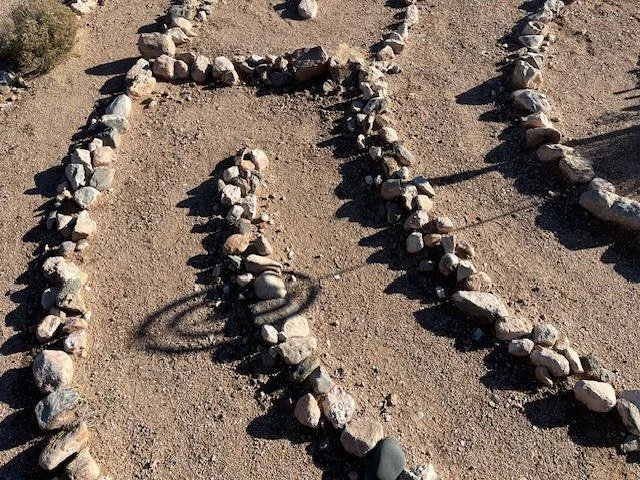
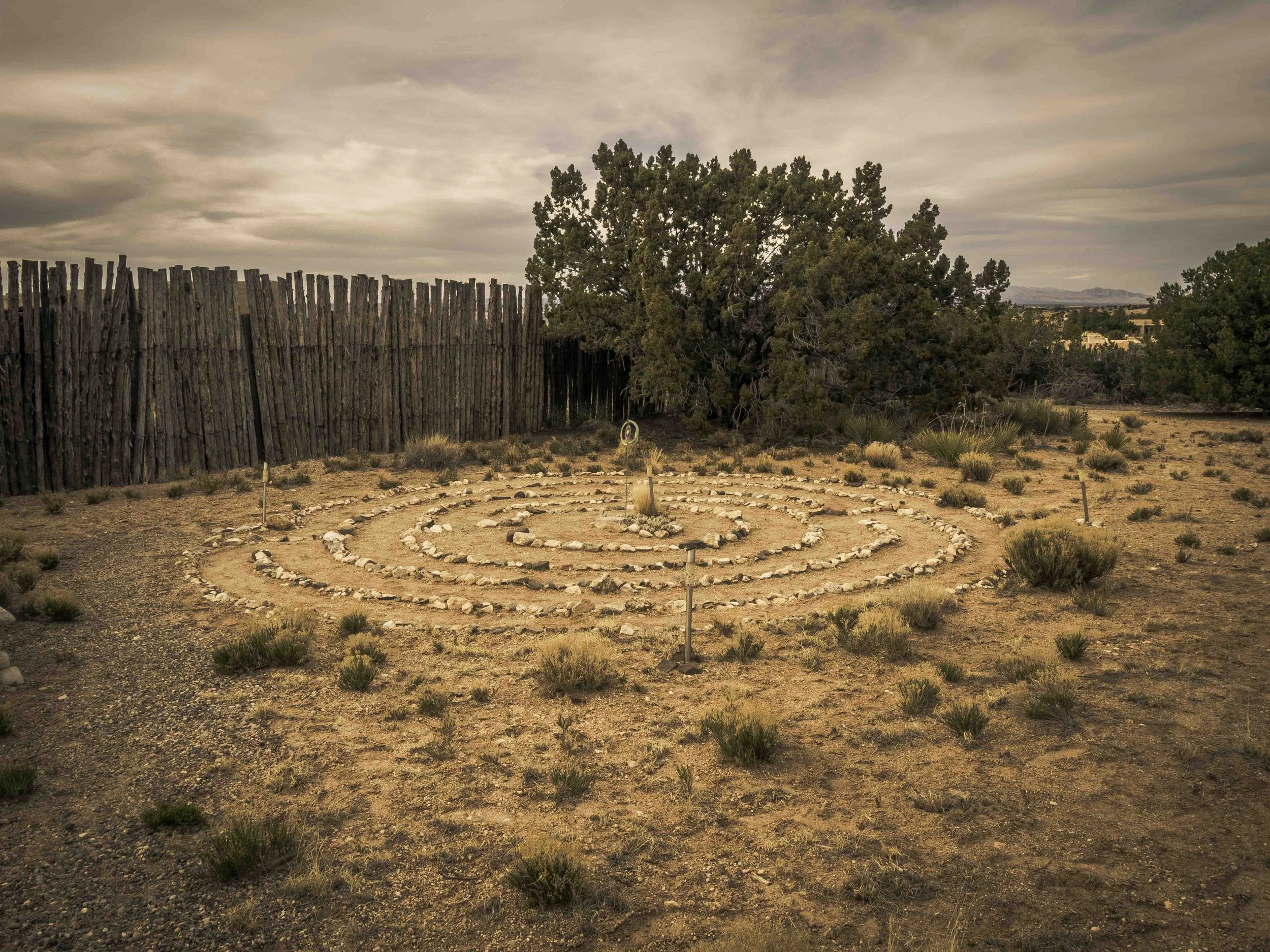
Beverages and snacks provided, including coffee, tea, water, morning bagels, lunch chips/salsa, and cookies. Bring your lunch. Mini-fridge and microwave on site. We’ll write during writing breaks and over lunch. In sunny weather, walk the labyrinth and explore the beautiful Poetry Playhouse grounds. All materials provided, including a handout emailed aprx one week before class. Bring writing materials; free wi-fi. Directions emailed prior to class.
No refunds, however if you can’t make it, class credit applied to another class given at our discretion.
Questions? email jules@poetryplayhouse.com
Hosted by Jules Nyquist & John Roche