Ecopoetry for Our Hearts and for the Heart of the Earth: A Generative Workshop
with Liza Wolff-Francis
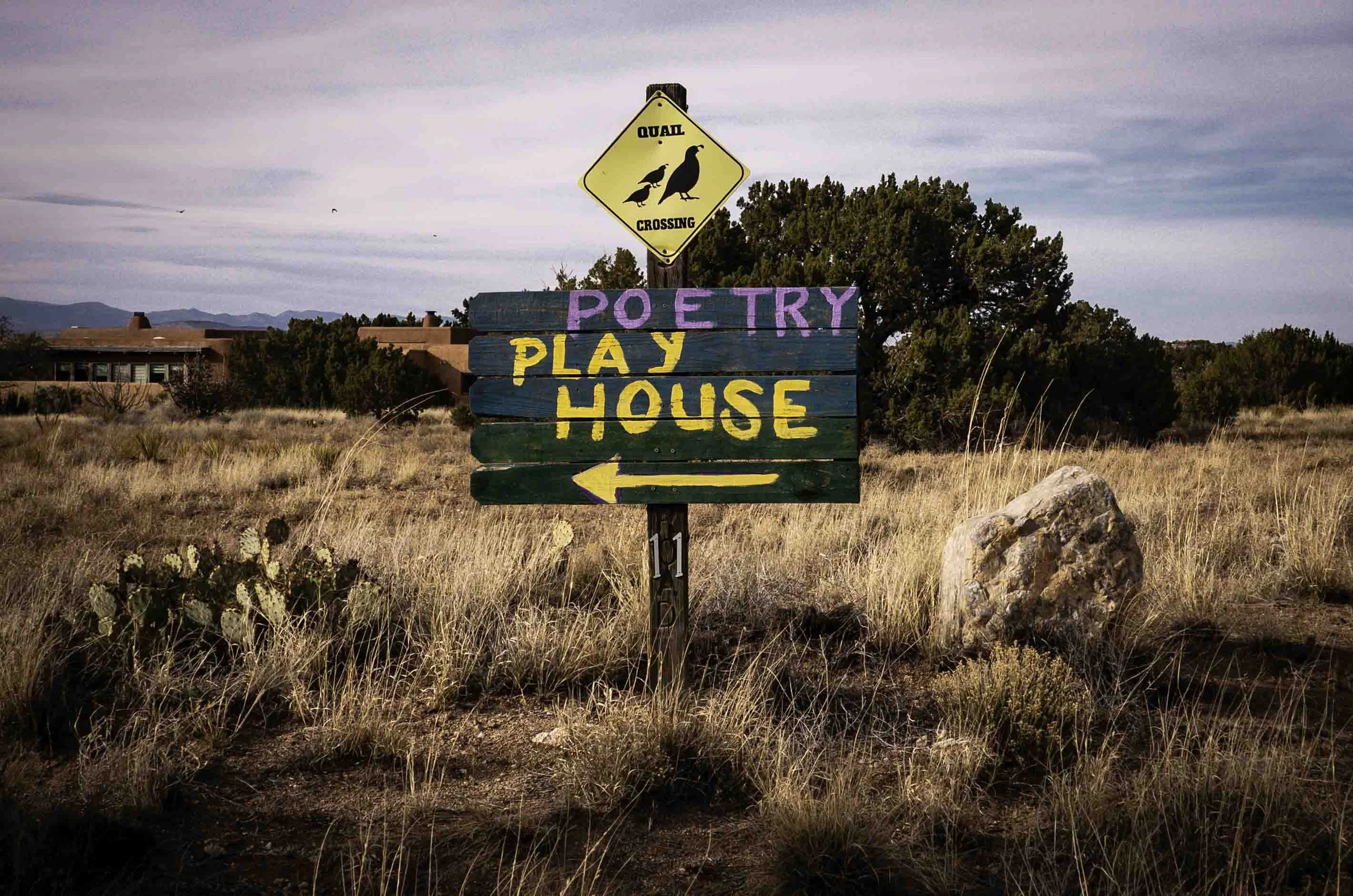
Saturday, November 7, 2026 in person at Jules’ Poetry Playhouse, Placitas, NM
12 – 4 pm
We come into the world and we too begin to move between the
brown and the blue and the green of it. -Juliana Spahr
In this workshop, we will write to explore our deep-seated concepts of nature, wilderness and rewilding, environmental justice, extinction, and climate change. Many of these topics we already know intuitively, and, in our time together, we will examine Ecopoetry as a way to dig deeper and explore our shared connections with the evolving world around us, as well as our collective grief and concern about the changing climate and our planet.
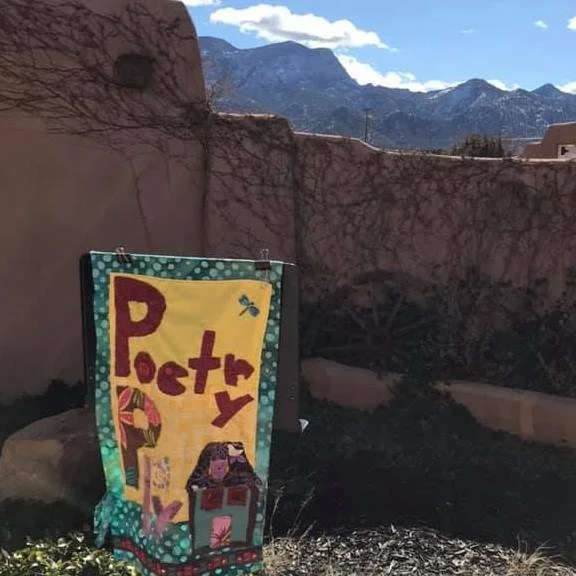
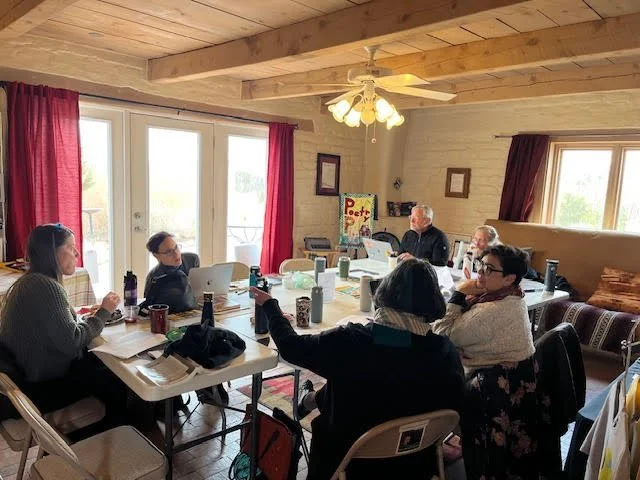
Join us for a small class (limit 10 students) in person at Jules Poetry Playhouse in beautiful Placitas, New Mexico. We will be writing inside the classroom with breaks to walk outside. Poetry teaches us to look more deeply—to stay with a single image, a single sound, a single moment, until the ordinary begins to reveal its soft wonders. Poetry invites us to resist the urge to hurry past the familiar and instead, to remain with a moment long enough for it to become something more than an observation. Linger as you walk the labyrinth, touch the soil, sit with the cactus, desert plants, and the Sandia Mountains, as we write into, around, and through our love for Earth and delve into our own internal concerns about our interconnected future.
We will read Ecopoetry from Ed Roberson, Camille Dungy, Juliana Spahr, and others to give us a sense of how Ecopoetry is formulated and expressed.
We will write with a minimum of two writing exercises to generate poems or drafts, so come prepared to think about our planet, observe, and write from our hearts.
Most importantly, we will have time to share our words with each other and build a stronger ecopoetic community.
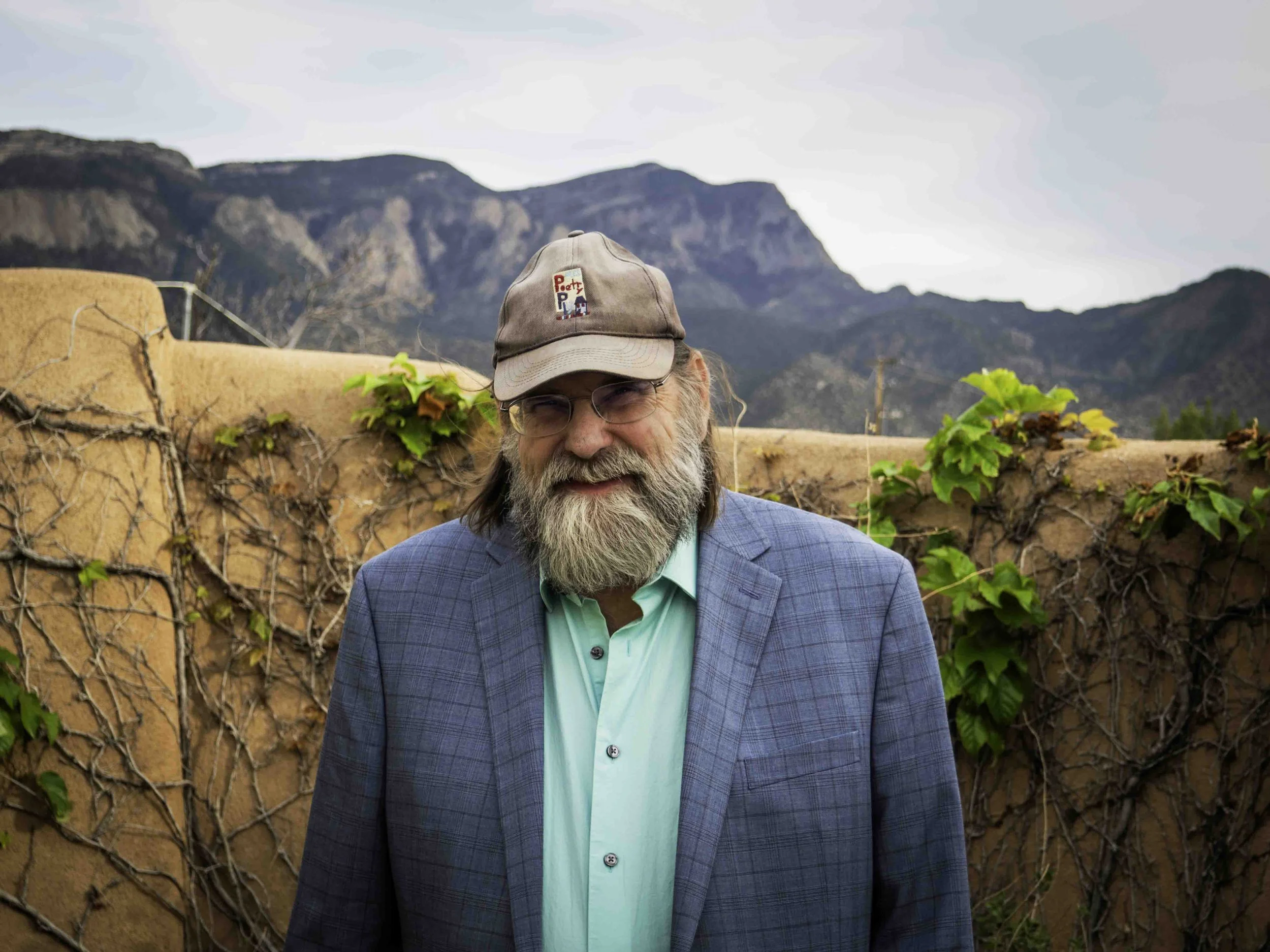
Includes all handouts, along with beverages and snacks at Jules Poetry Playhouse in Placitas, NM. Directions sent upon registration. Limit 10 students. Hosted by Jules Nyquist and John Roche of Jules’ Poetry Playhouse.
Ecopoetry versus nature poetry: what is the difference?
Wendell Berry defines nature poetry as poetry that “considers nature as subject matter and inspiration.” Ecopoetry, on the other hand, does not simply say: “look how beautiful the natural world is” as that might seem to make it other or separate from us and lead to its exploitation. In Ecopoetry, there is an understanding that humans are a part of nature, not supreme to it, with a recognition of the Anthropocene, and an understanding of the responsibility humans have to fix the unfolding crisis.
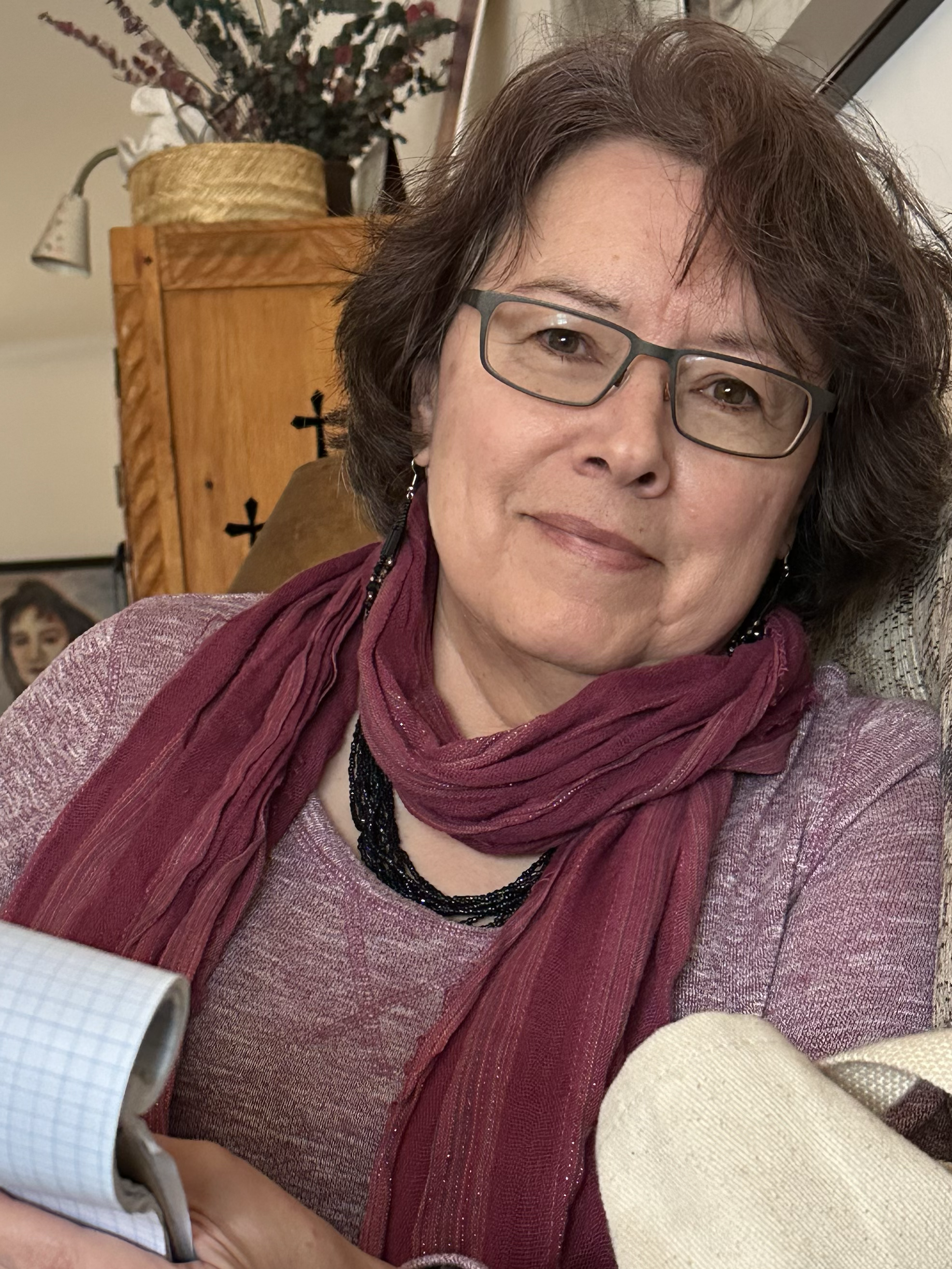
It’s a delight to have Liza Wolff-Francis back in New Mexico for this Saturday class! Liza Wolff-Francis, 8th Poet Laureate of Carrboro, N.C. (2023-2025), is a writer and poet with an M.F.A. in Creative Writing from Goddard College. She has taught creative writing workshops for over a decade, and her prose and poetry have been widely published. She was on the Albuquerque Poetry Slam team in 2008, was co-director for the 2014 Austin International Poetry Festival, and now works organizing the West End Poetry Festival with the Town of Carrboro and the Carrboro Poets Council. Her poetry has been nominated for Best of the Net and has most recently appeared in The Bombay Literary Magazine, Cider Press Review, Unbroken: Prose Poems, and the Phare. She has written poetry book reviews that have been published on Adroit, Compulsive Reader, LitPub, and in Tupelo Quarterly. She has a full-length poetry book: 48 hours down the shore (Kelsay Books). Her hybrid poetry-prose collaborative manuscript with Brenda Beardsley, “sky they yearned to call mine” was a semifinalist for the 2024 Donna Wolf Palacio prize andis forthcoming from Unsolicited Press (November, 2026). Her website: https://www.lizawolff.com
Ecopoetry for Our Hearts and for the Heart of the Earth: A Generative Workshop
with Liza Wolff-Francis
Saturday, November 7, 2026 in person at Jules’ Poetry Playhouse, Placitas, NM
12 – 4 pm
We come into the world and we too begin to move between the
brown and the blue and the green of it. -Juliana Spahr
In this workshop, we will write to explore our deep-seated concepts of nature, wilderness and rewilding, environmental justice, extinction, and climate change. Many of these topics we already know intuitively, and, in our time together, we will examine Ecopoetry as a way to dig deeper and explore our shared connections with the evolving world around us, as well as our collective grief and concern about the changing climate and our planet.
Join us for a small class (limit 10 students) in person at Jules Poetry Playhouse in beautiful Placitas, New Mexico. We will be writing inside the classroom with breaks to walk outside. Poetry teaches us to look more deeply—to stay with a single image, a single sound, a single moment, until the ordinary begins to reveal its soft wonders. Poetry invites us to resist the urge to hurry past the familiar and instead, to remain with a moment long enough for it to become something more than an observation. Linger as you walk the labyrinth, touch the soil, sit with the cactus, desert plants, and the Sandia Mountains, as we write into, around, and through our love for Earth and delve into our own internal concerns about our interconnected future.
We will read Ecopoetry from Ed Roberson, Camille Dungy, Juliana Spahr, and others to give us a sense of how Ecopoetry is formulated and expressed.
We will write with a minimum of two writing exercises to generate poems or drafts, so come prepared to think about our planet, observe, and write from our hearts.
Most importantly, we will have time to share our words with each other and build a stronger ecopoetic community.
Includes all handouts, along with beverages and snacks at Jules Poetry Playhouse in Placitas, NM. Directions sent upon registration. Limit 10 students. Hosted by Jules Nyquist and John Roche of Jules’ Poetry Playhouse.
Ecopoetry versus nature poetry: what is the difference?
Wendell Berry defines nature poetry as poetry that “considers nature as subject matter and inspiration.” Ecopoetry, on the other hand, does not simply say: “look how beautiful the natural world is” as that might seem to make it other or separate from us and lead to its exploitation. In Ecopoetry, there is an understanding that humans are a part of nature, not supreme to it, with a recognition of the Anthropocene, and an understanding of the responsibility humans have to fix the unfolding crisis.
It’s a delight to have Liza Wolff-Francis back in New Mexico for this Saturday class! Liza Wolff-Francis, 8th Poet Laureate of Carrboro, N.C. (2023-2025), is a writer and poet with an M.F.A. in Creative Writing from Goddard College. She has taught creative writing workshops for over a decade, and her prose and poetry have been widely published. She was on the Albuquerque Poetry Slam team in 2008, was co-director for the 2014 Austin International Poetry Festival, and now works organizing the West End Poetry Festival with the Town of Carrboro and the Carrboro Poets Council. Her poetry has been nominated for Best of the Net and has most recently appeared in The Bombay Literary Magazine, Cider Press Review, Unbroken: Prose Poems, and the Phare. She has written poetry book reviews that have been published on Adroit, Compulsive Reader, LitPub, and in Tupelo Quarterly. She has a full-length poetry book: 48 hours down the shore (Kelsay Books). Her hybrid poetry-prose collaborative manuscript with Brenda Beardsley, “sky they yearned to call mine” was a semifinalist for the 2024 Donna Wolf Palacio prize andis forthcoming from Unsolicited Press (November, 2026). Her website: https://www.lizawolff.com
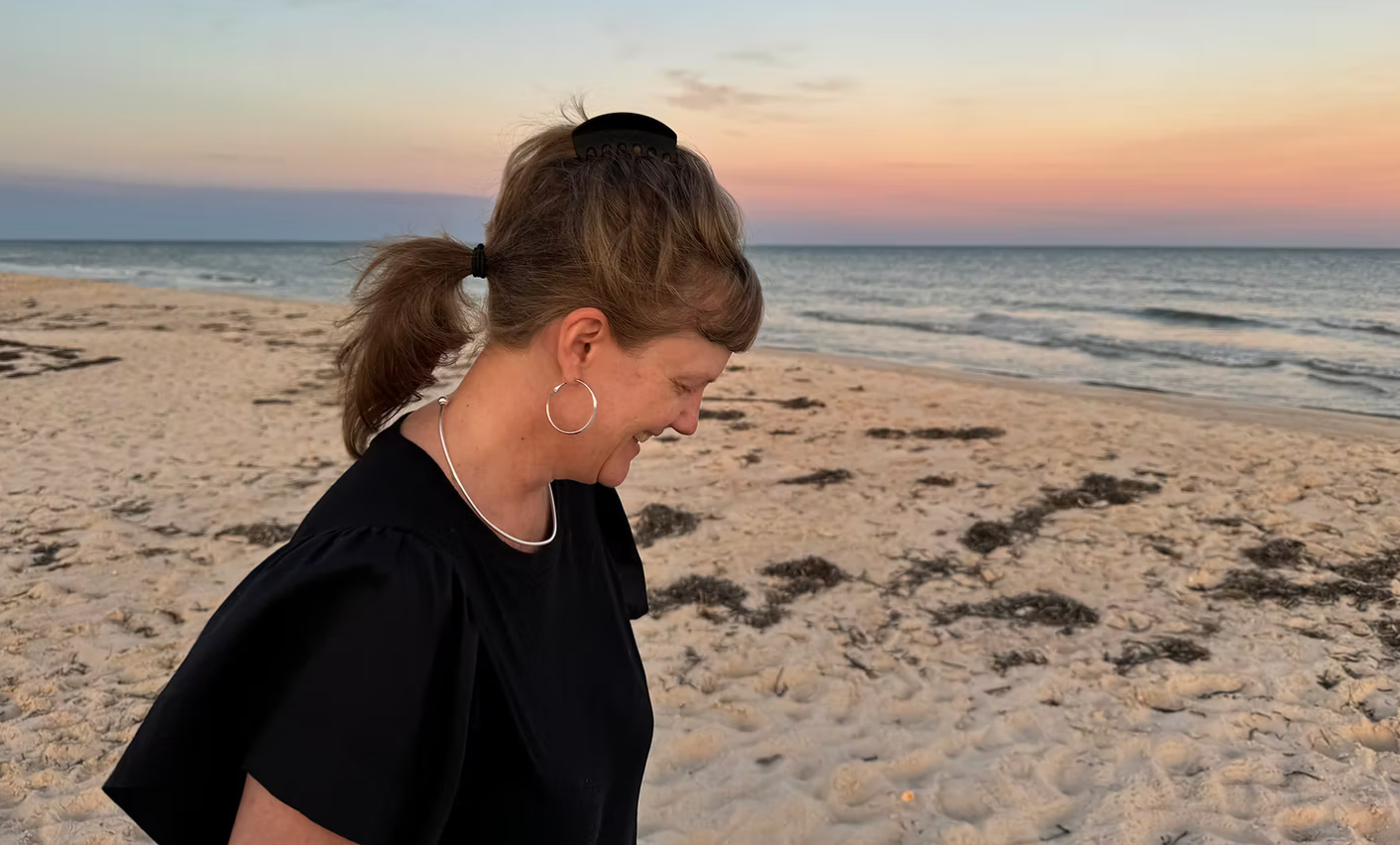 Image 1 of 12
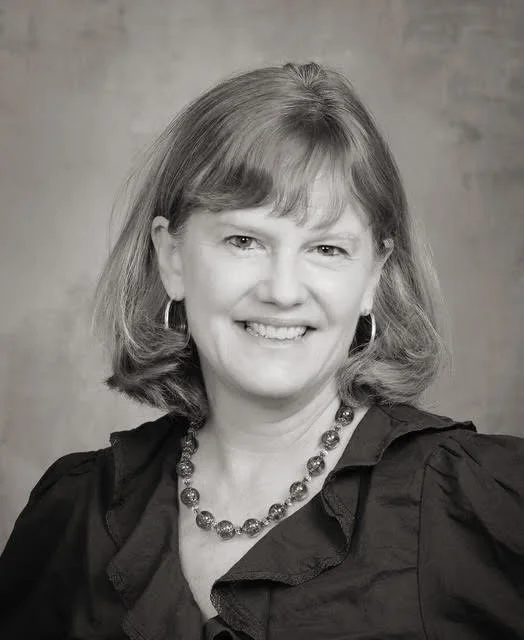 Image 2 of 12
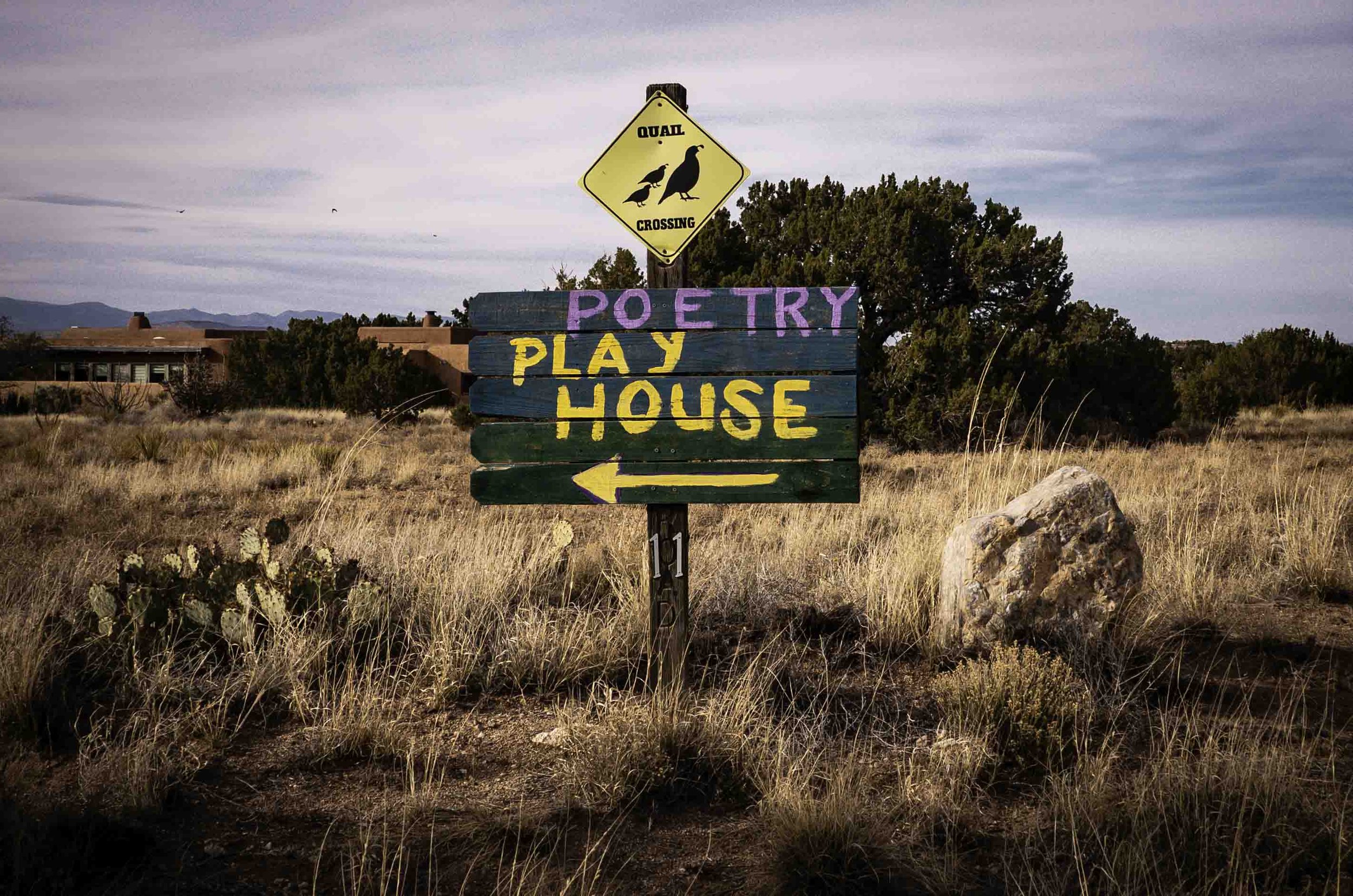 Image 3 of 12
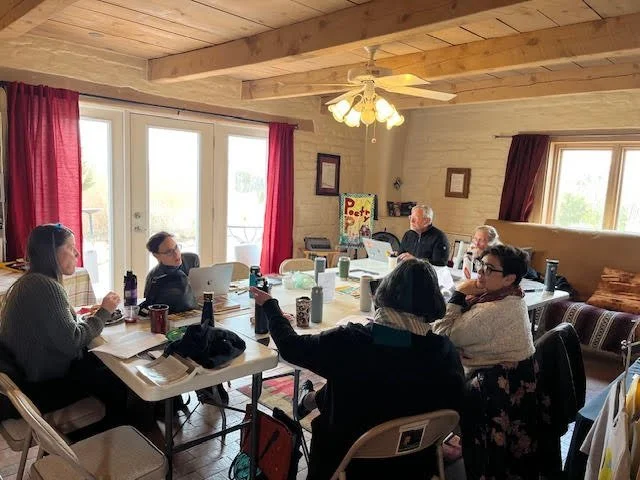 Image 4 of 12
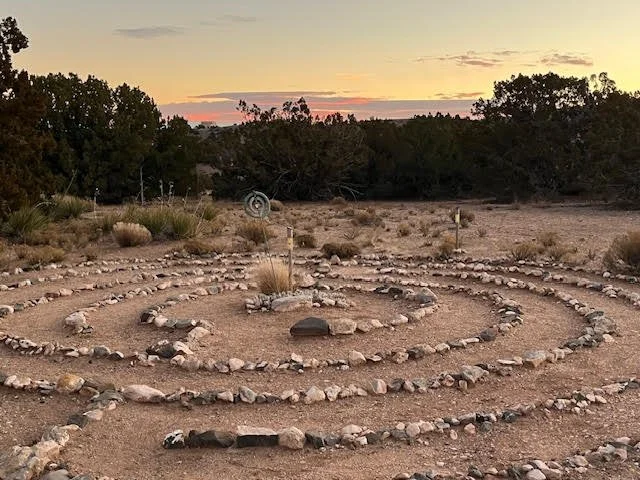 Image 5 of 12
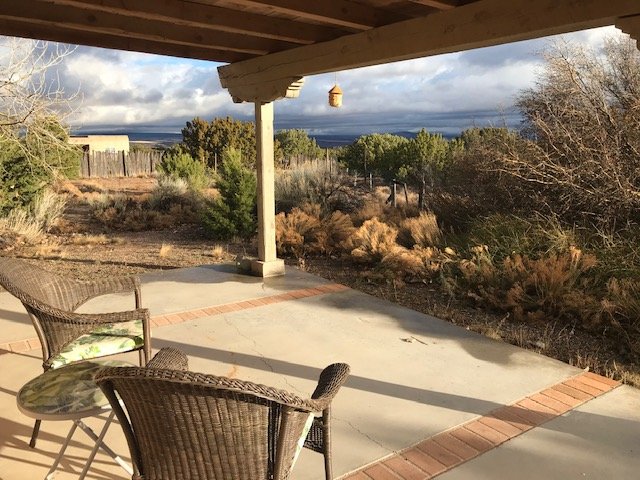 Image 6 of 12
 Image 7 of 12
 Image 8 of 12
 Image 9 of 12
 Image 10 of 12
 Image 11 of 12
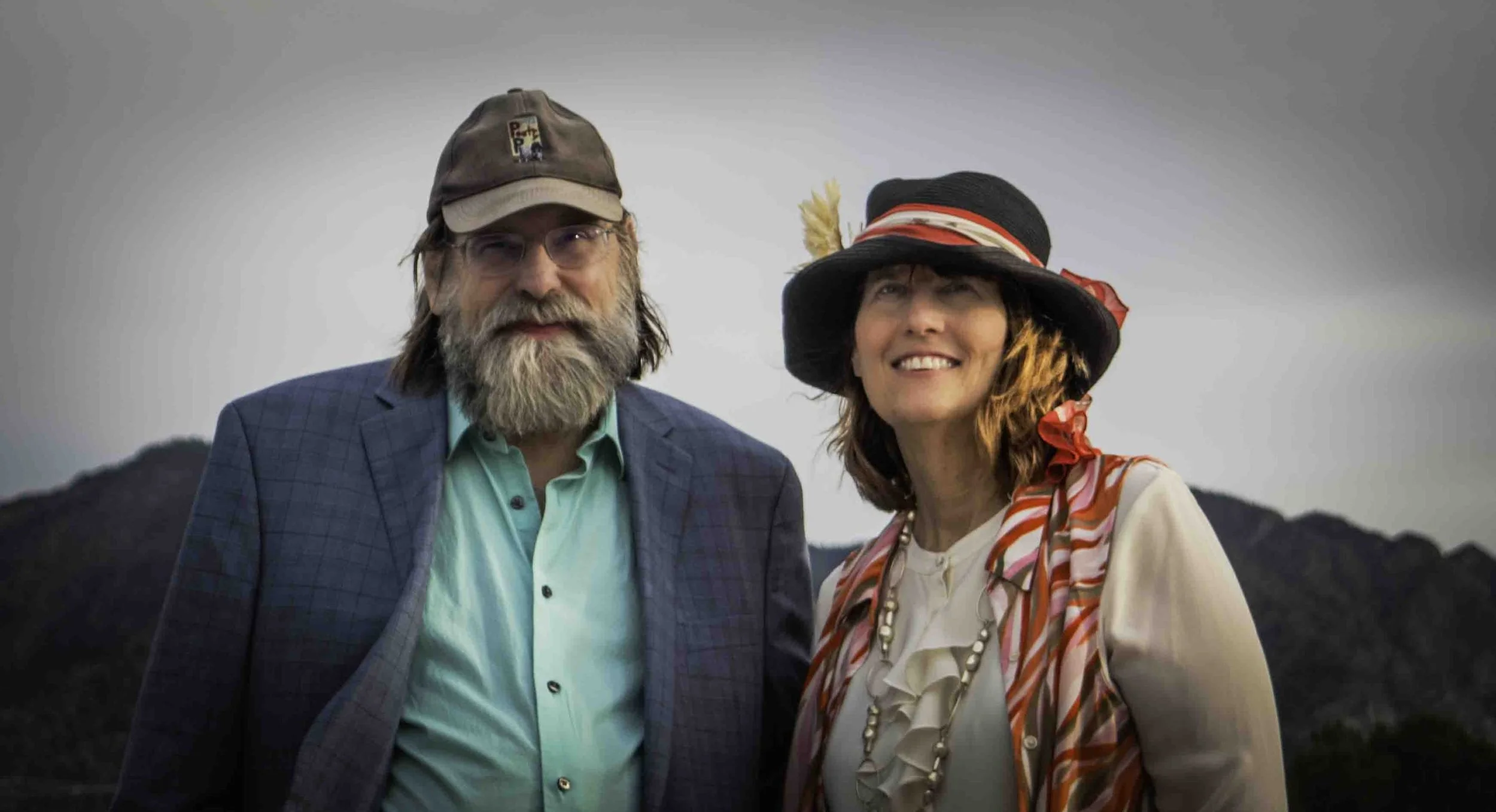 Image 12 of 12